Lincolnshire evidence
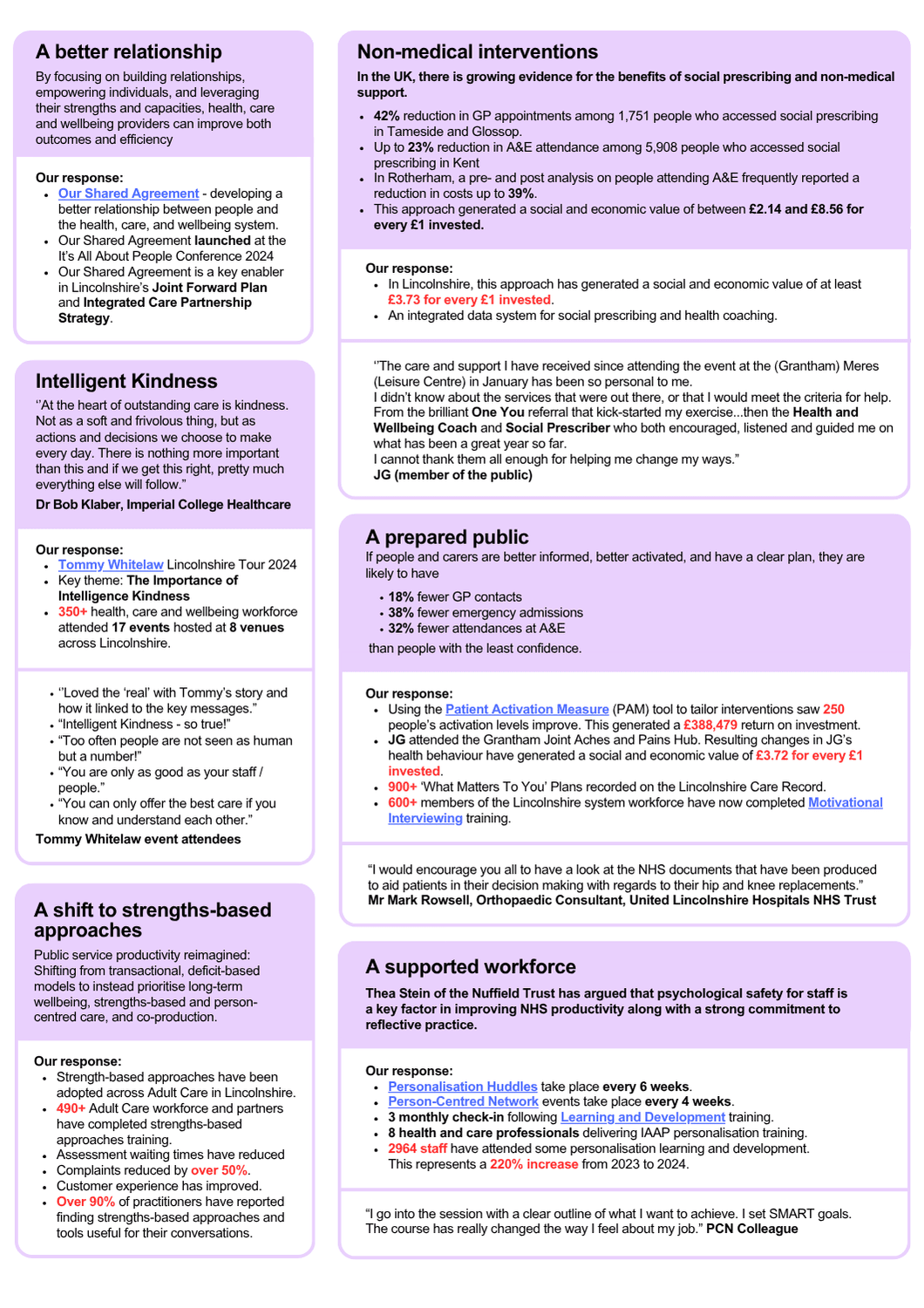
One of the key roles of the It’s All About People team is to gather, analyse, quantify, and share real evidence showing how person-centred and strengths-based approaches make a genuine difference in Lincolnshire.
And we're collecting this evidence from a growing range of sources and approaches, including partner reports, surveys, and the voices of real people across the county.
By focusing on what matters to people - their goals, relationships, and strengths - these ways of working don’t just help individuals, families, and communities to thrive; they also build a more sustainable, resilient health and care system for the future.
Our team’s work is shining a light on how putting people first in Lincolnshire is leading to better lives, better relationships, and stronger services for everyone.


How Lincolnshire is responding to national evidence
It's All About People Workforce Survey 2025
The It’s All About People team created a workforce survey to find out more about how our health and care workforce feels about implementing personalised and strengths-based ways of working. The survey has had 129 responses to date (3 November 2025).
Find out more, and complete the survey
Survey headlines:
Impact of working in a personalised way
- Improved relationships and communication
Staff report stronger, more empathetic relationships with the people they support, leading to better engagement and trust. - Enhanced job satisfaction and professional fulfilment
Many respondents feel more motivated and fulfilled in their roles when working in a personalised way. - Empowerment and independence for individuals
Personalised approaches help people manage their own health and wellbeing more effectively, promoting autonomy. - Better health and social care outcomes
Respondents noted reductions in inappropriate GP visits, hospital admissions, and improved use of community support. - Increased creativity and innovation
Working in a strengths-based way encourages staff to think outside the box and co-create solutions with individuals. - Shared decision making and person-led planning
People are increasingly seen as experts in their own lives, with more opportunities to shape their care and support.
Barriers to working in a personalised way
- Time and capacity constraints
Lack of time and heavy workloads are frequently cited as major obstacles to personalised care. - Fragmented communication between services
Poor inter-service communication and siloed working hinder joined-up, person-centred approaches. - Restrictive processes and risk-averse cultures
Bureaucratic procedures and fear of litigation limit flexibility and innovation. - Inadequate IT systems
Systems that don’t “talk to each other” prevent seamless sharing of information and continuity of care. - Lack of understanding and training
Some staff feel underprepared or unaware of personalised approaches due to limited training or exposure. - Leadership and organisational culture gaps
Where personalised care isn’t embedded at strategic levels, it struggles to gain traction across teams.
Measuring What Matters - evidence from people's stories
Traditional service metrics do not fully capture real 'productivity' in people-focused services.
It is not enough to know ‘how many?’ We also need to ask ‘so what?’
What difference do the activities, services and interventions in health, social care and the community make to people’s wellbeing and health? What are the unintended consequences of doing things the way we do?

Key themes and insights from Measuring What Matters
Download the latest report
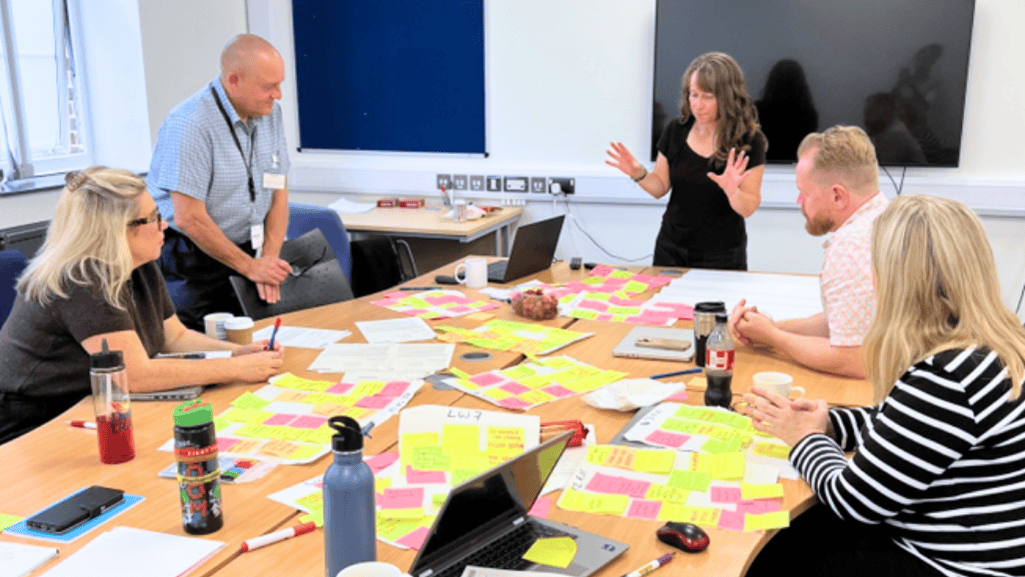
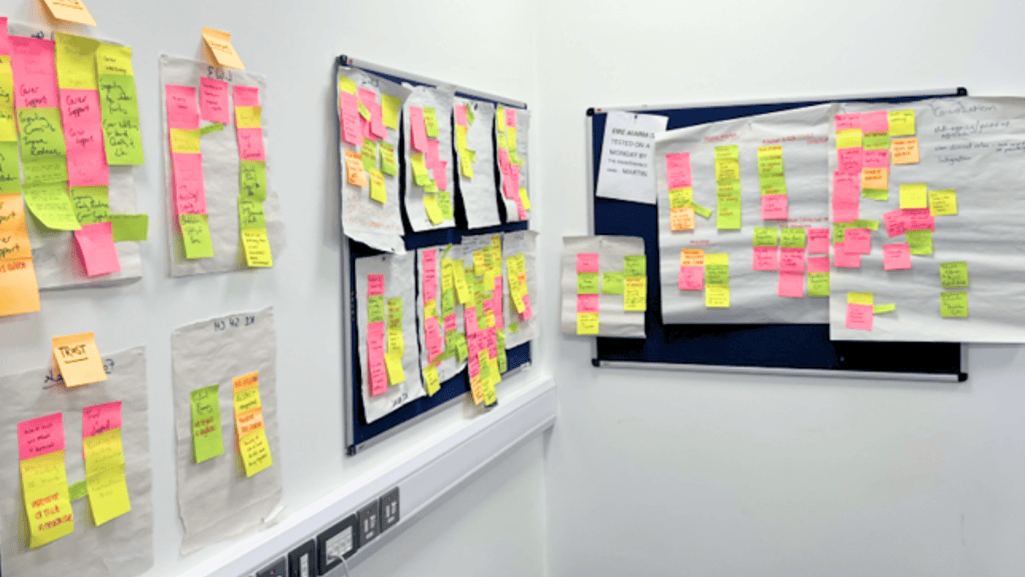
The report highlights ten main themes arising from the analysis of a diverse collection of 55 people’s stories. These ten themes can be summarised into three clusters:
1. People’s outcomes improve when they are treated in a more relational, rather than transactional way.
Includes themes around trust, compassion, listening, personalised care and communication and the difference these make to health outcomes.
2. Prevention, proactivity and early support are central to achieving better and more sustainable outcomes.
Includes themes highlighting the value of professional curiosity, acting early and holistically, clearer pathways and co-ordination.
3. Community, collaboration and shared responsibility are foundations for wellbeing.
Includes themes such as multi‑agency working, peer support and the importance of wider support networks and the voluntary, community, faith and social enterprise sector.
Measuring What Matters also looks at calculating the indicative ‘social return on investment’ or Social Value of working in a personalised way with people. For every £1 invested in personalised care roles such as social prescribing or care co-ordination, there was an average return of £4.83 in terms of the value ascribed to outcomes like reduced demand on health and care services, reduced social isolation or increased emotional wellbeing.
Questions and opportunities
- What will you do with this information?
- How will you use these insights to influence others?
- Where can you share the findings to have the greatest impact?
- What changes are in your gift to make?
- How might you support others to Measure What Matters in your area of work?
There are opportunities to expand Measuring What Matters and share the learning to cascade these methods more widely. Get in touch with the It’s All About People team if you would like to:
- Have a conversation about outcomes – how to measure the ‘so what?’
- Take part in a Story Review Panel to find out how it works
- Explore Community Reporter or Community Listener training options
- Use the People’s Stories Template to collect case studies that can contribute to the dataset
- Ask about how to measure Social Value


