2nd October 2025
Gloriously ordinary language: Communicating with care
The way we use language in health, wellbeing, and social care matters. It can either help or hinder the development of relationships between services and the people who use them. The language we use can build trust and connection or leave people feeling unheard and unseen.
Over the past year, the It’s All About People Personalisation Programme team has been on a journey to look closely at the language we use and how it shapes relationships between services and the people they support. Here’s how the work has unfolded so far, and where it’s heading next.
Join our next Language and Health Literacy Development Day on Thursday 10 September 2026 - Register today

July 2024: Starting the Conversation
Our journey began at the It’s All About People Conference in July 2024. Alison, our team's Workforce Development Lead, hosted a lively workshop with Chris Erskine, Principal Social Worker at Lincolnshire County Council.
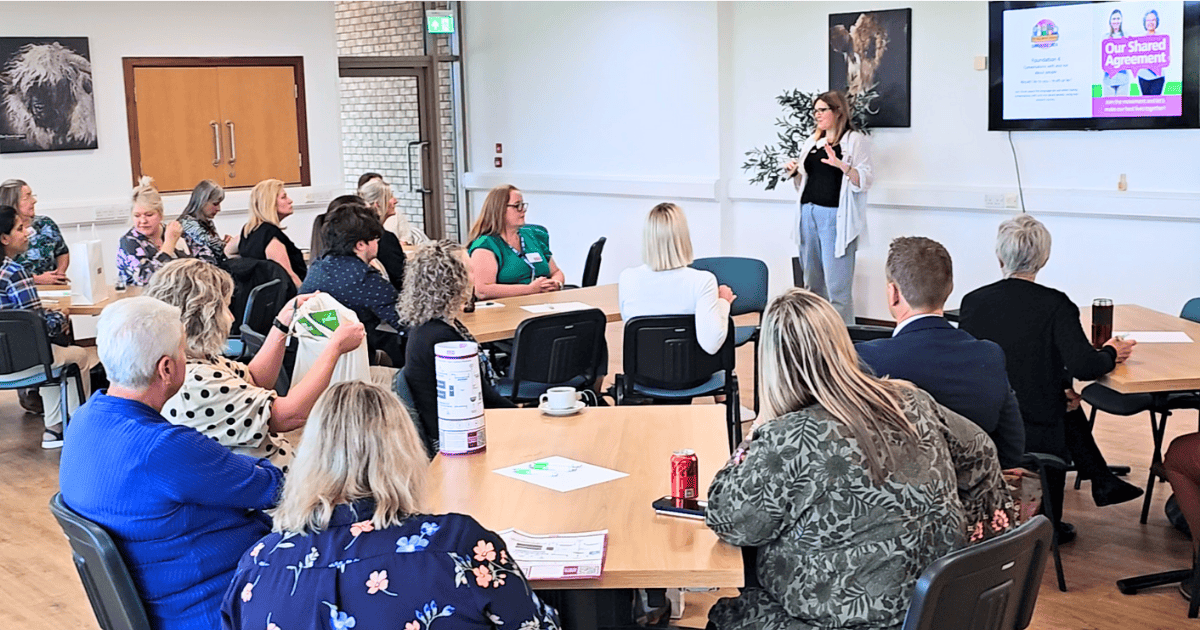
The workshop, playfully titled “Would I lie to you?”, explored how language can either strengthen relationships or create issues and barriers. Participants bravely shared real experiences of how words used by professionals had impacted them, sometimes leaving them feeling respected and included, and other times diminished and dismissed.
This session set the stage for deeper conversations about the power of language.
April 2025: Enter ‘Gloriously Ordinary Language’
In April 2025, following lots of conversations about language with colleagues from across the health and care system, the It’s All About People Personalisation team co-commissioned Gloriously Ordinary Language, delivered by Trish Nicol and Bryony Shannon, to support Adult Social Care and wider partners to think more about language.
This exciting eight-month programme is designed for local councils and other social care organisations who want to rehumanise their language, reconnect practice with personal and organisational principles, and reimagine care and support.
The programme focuses on three key areas:
- Purpose: Why we use certain words
- People: Who we are speaking or writing for
- Practice: How we put this into action in everyday interactions
Participating organisations were encouraged to take up projects in each of these areas. Working with the NHS Lincolnshire Integrated Care Board (ICB) Health Inequalities team, we agreed that our “practice” focus should be on creating a language learning and development programme. The aim: to support our integrated Lincolnshire workforce in thinking carefully about the words we use, both spoken and written.
August 2025: Co-producing with people with lived experience
Fast forward to August 2025. We held our first co-production meeting, bringing together people with lived experience of working in or using Lincolnshire’s health and care system. Some participants had experience of both.
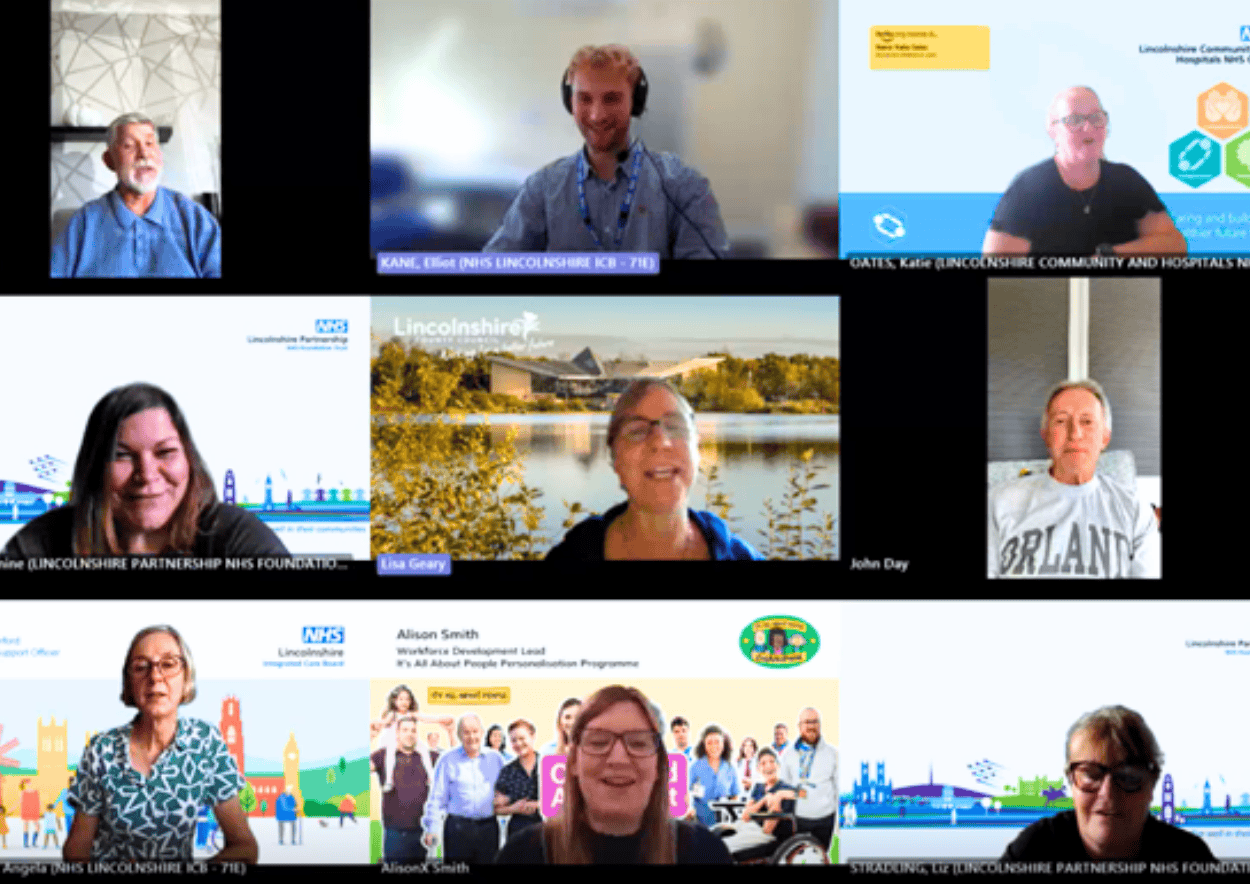
We asked three simple but powerful questions:
- What are your experiences of language in the health and care system?
- How have those experiences made you feel?
- Based on your experiences, what do you think should be included in the language training and development programme?
The answers were eye-opening.
Some recalled phrases - “Broken ankle in Bed 2”, “Micro aggression”, and “Power dynamic” - or admitted “I had to Google the language as it was very technical.”
And when asked how these experiences made them feel, they responded with:
“Patronised”, “Dehumanised”, “Disrespected”, “Vulnerable”, “Stupid”, “Incapable”, “Frightened”, “Labelled”, “Out of control”, “Judged”, and “Shut down”.
It became clear that language is never “just words.” Tone, body language, and choice of words all profoundly affect how people feel in moments of vulnerability.
Our co-production group has since met several times, with growing energy and passion. Each meeting brings more people willing to give their time and ideas, ensuring the training is rooted in real experiences.
Join our next Language and Health Literacy Development Day on Thursday 10 September 2026
Join our next Language and Health Literacy Development Day on Thursday 10 September, to explore how clear, inclusive language improves health and care outcomes.
Why it matters: Language shapes people’s experiences. This event challenges professionals to reflect on how communication impacts understanding, access, and equity.
What you’ll gain: Build practical skills, hear lived experiences, and learn how to make health information more accessible and empowering.
What to expect: An interactive, thought-provoking day with discussions, activities, and real stories that will stretch and strengthen your practice.
Event details:
- Fee: FREE to attend
- When: Thursday 10 July 2026, 9.30am - 4.30pm
- Where: Boardroom, Bridge House, Sleaford, NG34 8GG
- Who should attend?: Anyone who works in or with health, care and wellbeing or is connected to it through their roles.
Register Here
Please note, spaces are limited, so reserve your spot today!
Please also note, the Language and Health Literacy Development Days in May and July 2026 are now fully booked.
And looking ahead
Our journey to rehumanise language in health and care is just beginning - and it can only move forward with you.
Every conversation, every reflection, every word we choose makes a difference to how people experience care and connection.
The Language and Health Literacy Development Days are another landmark in the building of a shared culture where language lifts people up rather than shuts them down.
So whether you work in a service, use one, or simply care about the words that shape our everyday interactions, get involved.
Join a session, share your story, challenge how things are communicated, and help us make “gloriously ordinary language" the new normal across Lincolnshire.


