Language and Health Literacy Resource Library
Welcome to our Language and Health Literacy Resource Library, a space for sharing practical tools, ideas, and learning to support clearer, more human communication in health and care.
These resources are all about making language simpler, more inclusive, and easier to understand. Whether you’re looking to reflect on the words you use, improve how information is shared, or help people feel more confident in managing their health, this library is here to support you in making communication more accessible, meaningful, and person-centred.

Gloriously Ordinary Language
"Are you working in or with an organisation where most of the language people use isn’t what you would use in the kitchen with your family, or in the café or pub with your mates?
Do you feel, like we do, that this is not ok?
We think too much of the language people use in and about social care reveals and shapes attitudes and ways of working that prevent people from living gloriously ordinary lives. We believe that the language of social care should be ordinary. Everyday words about everyday life. And we think our language should be glorious. Wonderful words about flourishing lives."
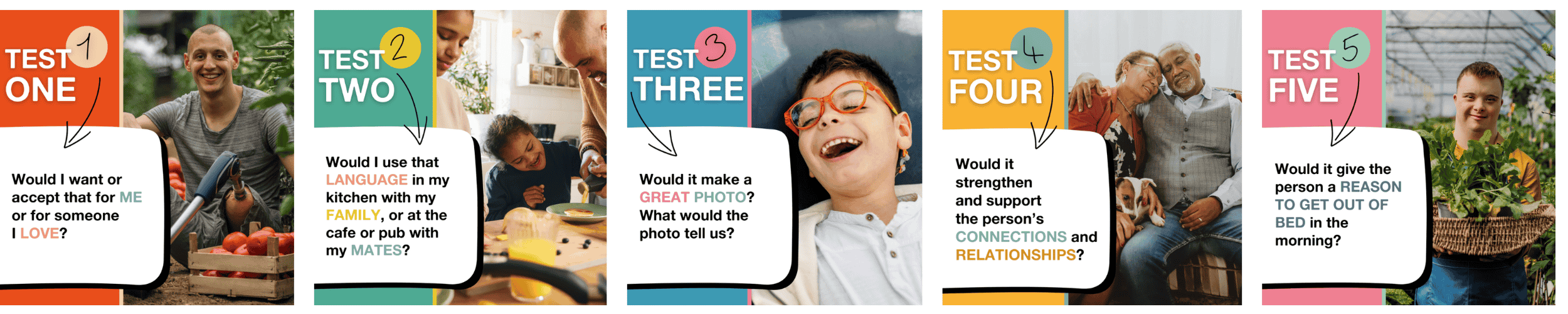
Gloriously Ordinary Language - The Five Tests
The Five Tests are not a checklist or a process, simply a lens through which to view any support we consider for a person or their family.
Rewriting Social Care
Bryony Shannon from the Gloriously Ordinary Lives team has been working in adult social care since 2006, and has spent a significant proportion of that time writing about it. Bryony makes the case that the words we use in social care really matter because they shape how we think and act. Many common words sound cold, confusing, or make people seem less human. Some can even make it sound like people are to blame. Bryony believes we should use kinder, simpler words that focus on people, their lives, and their feelings, to help create a better and more caring system.
Think Local Act Personal - Language resources
Visit the TLAP Language page to explore resources and blog posts.
“The language we use in care and support shapes attitudes, influences behaviours and impacts lives. We believe that much of the language used in care and support tells an outdated story, and we’re committed to shifting this narrative to ensure better lives for everyone.”
NHS Health Literacy Toolkit
This 2023 second edition of the Health Literacy Toolkit opens with a general introduction to health literacy and digital health literacy. The main focus of the document is a review of tools and techniques that are freely available.
The full toolkit can be downloaded as a PDF or Word document.
Plain English Campaign - Free guides
“We want to help as many people as possible use plain English. For that reason, we have produced a series of free guides to help you. The guides are provided in PDF format.”
Harvard Department of Continuing Education: 8 Ways You Can Improve Your Communication Skills
VIDEO: Oxfordshire Family Support Network (OxFSN) 'Accessing the Community' - Service Speak
Two young women plan a night out - but is this how you would do it? This video highlights the difference in the language we all use and the language used when talking about (and to) people with learning disabilities. It has been used in OxFSN's Working with Families training.
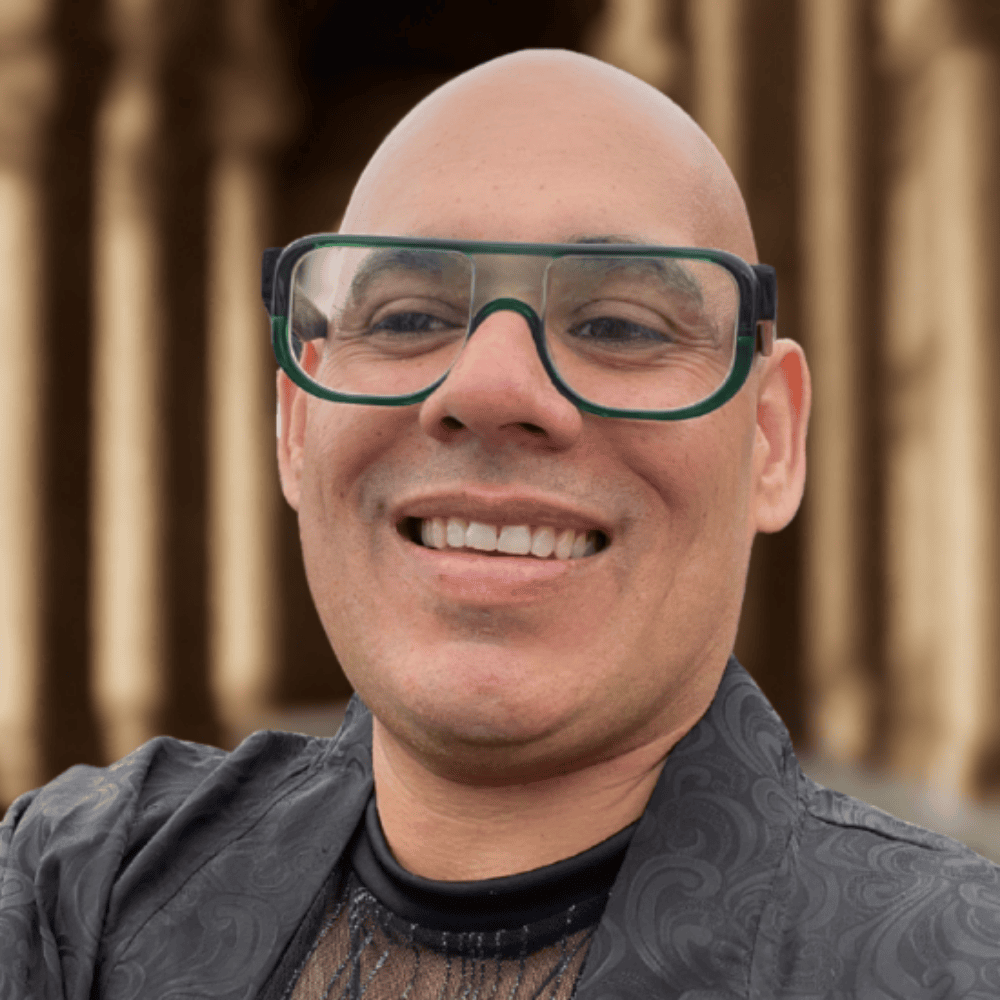
LinkedIn article: Gloriously Ordinary Language and why it mattered to me
Isaac Samuels, a National Leader in Disability & Inclusion, reflects on a Gloriously Ordinary Language session that highlighted how language in mental health care can deeply affect people.
Drawing on his own experience, he describes how clinical, cold wording in care notes made him feel unseen and mistrusted.
The Gloriously Ordinary Language session he attended created space for honest sharing and helped professionals realise that language can harm or heal. He calls for more human, respectful communication - seeing the person, questioning detached language, and learning from lived experience - emphasising that thoughtful words can build trust, dignity, and better care.
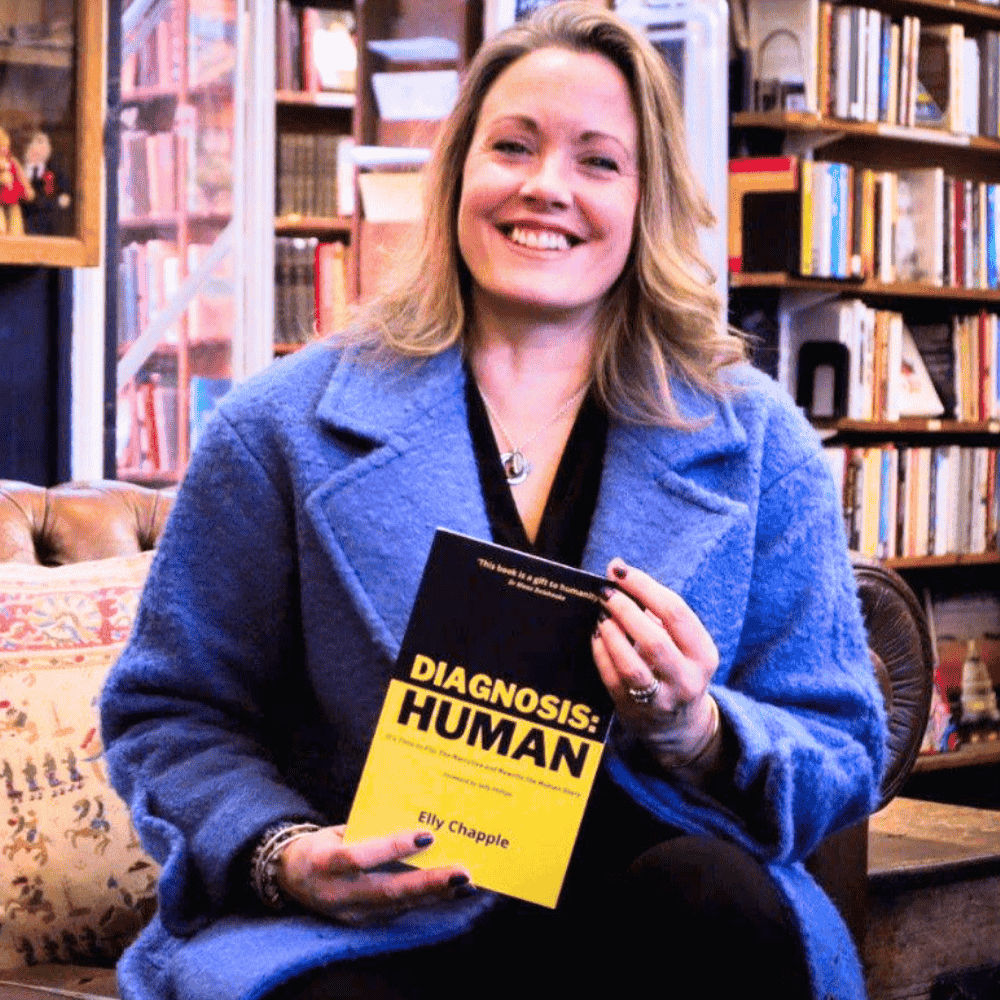
Elly Chapple
Elly Chapple is the founder of #FlipTheNarrative, where she champions “human-first” communication, disability rights, and inclusion, work deeply informed by her experience raising a deafblind daughter.
She advocates for the recognition of diverse, non-verbal forms of communication and challenges societal, medical, and educational systems to see disabled individuals as people, not problems to be solved.
With a background in the psychology of human communication, Chapple highlights that language extends far beyond words. Her work explores how we connect, communicate, and foster a sense of belonging for everyone, regardless of ability.
Words Matter
Words Matter is an ambitious charity on a mission to improve children’s mental and physical health and development by ending verbal abuse of children by adults.
Children’s brains are built in response to the relationships they grow up with, and the tone of sounds and words around them, right from the moment they’re born.
Too many children are growing up without warm, encouraging words and stable, secure relationships - the building blocks all children need to grow and thrive. Verbal abuse in childhood can actively weaken the foundations of our brains and cause us problems later in life.
Words Matter offers a range of resources designed to support different audiences, including parents and carers, teachers, and adults more broadly. Each resource focuses on building children up rather than knocking them down. They also provide a guide specifically for adults who have experienced verbal abuse in childhood.
Age without limits
Guide: Make your comms and writing age-inclusive
This guide designed as a practical tool to support organisations, media and communications professionals, to write about ageing in an inclusive, authentic way.
We have an ageing population, with 38% of adults now over the age of 50. Older age groups are an increasingly important audience for most organisations and businesses - in terms of audience share, influence, and as consumers.
Age is also a protected characteristic under the Equality Act 2010. And yet ageing and older people are often negatively portrayed or underrepresented in the mass media.
When we talk or write about ageing and older people, it’s essential to break away from generalisations and outdated ideas, and that we take care with the language and phrases we use.
Age without limits has created the first free library showing positive and realistic images of over 50s.
The photos in this library show a more realistic and diverse depiction of ageing, to help challenge stereotypes of older people. The library, which contains over 3,000 images and is regularly updated, is available for anyone to use for free.


