11th November 2026
Gosberton Medical Centre recognised for personalised cancer and end-of-life care
Helping someone through cancer means understanding how the illness affects their life. Planning future care means making time to listen before an emergency happens. At Gosberton Medical Centre near Spalding, these principles are shaping practical changes that have earned national recognition.
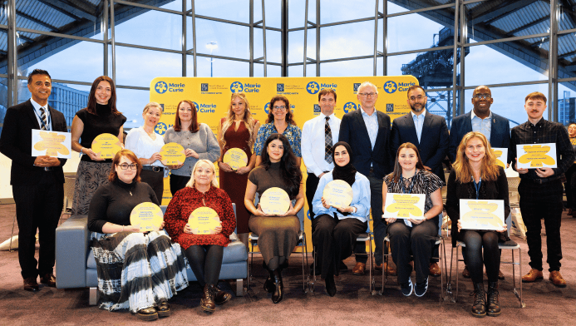
The Lincolnshire practice has seen its initiatives shortlisted in the recent Daffodil Standards Awards, with practice GP and Cancer Care Lead Dr Lucy Rushworth also highly commended for the GP of the Year Award. The recognition highlights work to give patients more coordinated support and a greater opportunity to talk about what matters to them.
Delivered jointly by the Royal College of General Practitioners and Marie Curie, the awards celebrate improvements in palliative and end of life care across general practice. This year’s ceremony took place on 29 October, with a record 51 applications across six categories.
For Gosberton, part of South Lincolnshire Rural Primary Care Network, the story behind that recognition is one of colleagues working together, recognising people’s changing needs and making care more personal.

A team around people affected by cancer
A cancer diagnosis can bring appointments, unfamiliar information and uncertainty. Alongside concerns about treatment, people may be worried about work, money, relationships or how they will manage at home.
Gosberton’s dedicated Cancer Care Team brings clinical care and wider practical and emotional support together within the patient’s own GP practice.
Paramedic Philip Jones and Social Prescribing Link Worker Rachel Okwuadi provide complementary support, with clinical input from Dr Rushworth. Both bring additional training in palliative care, with Rachel also trained in cancer care.
Philip carries out an early clinical cancer care review within the first three months. This creates an opportunity to discuss how the person is doing, identify health concerns and consider whether they need additional help.
Crucially, the pathway is flexible. If Philip identifies an urgent need, support can be brought forward. Patients do not have to wait for the next planned review when their circumstances call for earlier help.
Between six and 12 months, Rachel carries out a Macmillan Enhanced Holistic Needs Assessment: a structured conversation that looks at the wider effect of cancer on someone’s life.
Someone may be clinically stable but struggling with loneliness, financial pressure, confidence or returning to work. Rachel can explore those concerns and help people connect with community groups, voluntary organisations and other appropriate support.
Together, the reviews provide continuity as people’s priorities change. Concerns that dominate immediately after diagnosis may be different from those that emerge several months later.
By arranging opportunities to talk, the team aims to identify difficulties early, rather than relying on patients to contact the surgery when they are already struggling. It also gives people a continuing point of contact beyond their hospital appointments.
Making time for important conversations
The same commitment to understanding the individual runs through Gosberton’s work on ReSPECT, a process for discussing and recording someone’s wishes and clinical recommendations for a future emergency.
The practice cares for approximately 8,500 patients, including many older people living in residential and nursing homes. Care home staff often know residents well, understand their routines and recognise changes in their health.
Locally, staff were already being encouraged to begin conversations with residents and families about future care. However, the practice identified a need for clearer guidance about how those conversations should fit alongside clinical responsibility.
Staff needed training and confidence to begin sensitive discussions. They also needed to understand the boundaries of their role, with clinical recommendations remaining the responsibility of an appropriate registered clinician.
Gosberton raised the issue through its primary care network and contributed to wider discussions, including work with Palliative Care Consultant Dr Adam Brown and colleagues involved in ReSPECT across Lincolnshire. This helped inform the review and refresh of the county’s ReSPECT policy.
The refreshed approach clarifies that registered and non-registered colleagues across health, social care and voluntary settings can initiate and contribute to conversations and documentation. An appropriate registered clinician retains responsibility for clinical recommendations and sign-off.
This creates more opportunities for conversations to begin in familiar surroundings, with someone the person knows and trusts, supported by clear clinical oversight.
The difference for one resident
The practice’s case study describes a patient who moved into a care home after a hospital admission without a ReSPECT plan.
Trained care home staff recognised the opportunity to begin a conversation. They sensitively explored the patient’s wishes with them and their family, including what mattered to them and how they would want to be cared for if their health deteriorated.
The GP subsequently reviewed the discussion during a care home visit, made the appropriate clinical recommendations and completed and signed off the plan.
When the patient’s condition later worsened, their wishes were already understood and could inform their care. The family had been given time to think and talk before facing a crisis.
That experience illustrates the purpose of earlier planning: giving people space to express their priorities so that future decisions can take account of them.
Ensuring improvement is part of everyday care
Gosberton has also introduced ReSPECT audits every three months, alongside mandatory team training in ReSPECT and personalised end of life care.
Where an audit identifies something to improve, the practice agrees an action plan, makes changes and checks again. Its latest audit reported 100% compliance with its defined ReSPECT documentation standards.
These checks help turn good intentions into consistent practice. Alongside the Cancer Care Team’s planned reviews, they demonstrate how existing staff, relationships and skills can be brought together to provide more responsive support.
The Daffodil Standards give practices a framework for improving care for people with advanced serious illness and those approaching the end of life, alongside support for their families and carers.
Gosberton’s recognition celebrates the people putting those principles into practice. Their work offers learning for other practices and a clear ambition for patients: support that changes with their needs, and care informed by what matters to them.


