Why personalised and strengths-based support matters for Carers
Across Lincolnshire, thousands of people provide unpaid care for a loved one, friend, neighbour, or family member. Yet many do not see themselves as carers at all.
To mark Carer's Week (this year running June 8–14), Alison from the It's All About People team sat down with Laura Blaine, Carers Practice Lead at Lincolnshire County Council, to record a podcast exploring the vital role carers play and why recognising and supporting them is so important.
As Laura explains, one of the biggest challenges is helping people identify themselves as carers in the first place.
“For many people, it is about relationships. It's about being mum, dad, sister or brother. And actually that jump to carer can feel a little bit different.”
While caring can be deeply rewarding, it can also be emotionally demanding, isolating, and overwhelming. Without the right support, carers can struggle to prioritise their own wellbeing while focusing entirely on the person they care for.
Laura and Alison's conversation highlights a simple but powerful message: carers matter too.

Starting with what matters
A key theme throughout the discussion is the importance of personalised care and support.
Rather than offering a one-size-fits-all service, the Lincolnshire Carers Service focuses on understanding each person's unique circumstances, goals, strengths, and challenges.
Laura emphasises that no two carers are the same.
“What is important to one person isn't important to the other person.”
Some carers may need practical advice. Others may want emotional support, information about future planning, help navigating services, or simply someone to listen.
The service is designed to meet people where they are.
“It's about doing it at their pace when they're ready.”
This personalised approach reflects one of the central principles of the It's All About People programme: beginning with meaningful conversations that explore what matters most to people, rather than assuming what they need.
The power of being heard
One of the most striking messages from the podcast is that support does not always start with solving problems.
Often, it starts with listening.
Laura explains that many carers arrive expecting to discuss the person they care for, but rarely have opportunities to talk about themselves.
“The conversation will focus on them.”
For some, simply being given space to reflect on their own wellbeing can be transformative.
“For some carers, it is literally, I felt like I was listened to. I felt like I was valued as an individual. And actually, that's all I needed right now.”
This highlights an important truth: feeling heard, respected, and valued is not a small thing. It is often the foundation upon which confidence, resilience, and wellbeing can be built.
A strengths-based approach to support
Throughout the discussion, Laura repeatedly returns to the idea of recognising people's strengths rather than focusing solely on their difficulties.
The Lincolnshire Carers Service does not view carers through a deficit lens. Instead, it recognises the skills, knowledge, resilience, and compassion they already possess.
“People are incredible. They've got such empathy, such understanding, patience of saints, quite literally, incredible multitaskers.”
Rather than imposing solutions, the service works alongside carers to identify what is already working well and what additional support may help them achieve their goals.
Laura is clear that the role of the service is not to take over or tell people what to do.
“It's not our job to put in loads of outcomes that aren't important to that person.”
Instead, the focus is on empowering carers, building on existing strengths, and helping people access the information, resources, and support they need.
“We work in a strengths-based way.”
This approach reflects a growing recognition across health and care that people are experts in their own lives and should be active partners in decisions affecting them.
Supporting the whole person
Another important theme is the recognition that carers have lives, ambitions, interests, and identities beyond their caring role.
The support available through the Lincolnshire Carers Service reflects this wider view of wellbeing.
Support may include:
- Information and advice
- Benefits guidance
- Carers' assessments
- Peer support groups
- Training opportunities
- Help with employment and workplace challenges
- Access to community activities
- Support navigating health and social care systems
Laura explains that even when practical solutions are limited, there is still enormous value in helping people feel connected and supported.
“We don't want people to feel like they are on their own.”
Importantly, the service recognises that carers' wellbeing directly impacts the wellbeing of those they care for.
By supporting carers, we strengthen families, communities, and the wider health and care system.
Co-production: Listening, learning, and shaping together
The conversation also highlights the importance of co-production and involving carers in shaping services.
Rather than making decisions on behalf of carers, the Lincolnshire Carers Service works hard to ensure carers' voices influence how support is developed and delivered.
Laura reflects on the value of meaningful engagement.
“We're not making decisions on people. We're trying to include people in those decisions.”
This commitment to listening has helped shape and evolve the carers offer over time.
“We have listened to that feedback and we've tried to shape what is on offer accordingly.”
Co-production ensures that services remain grounded in real experiences rather than assumptions, creating support that is more relevant, responsive, and effective.
Creativity, nature, and wellbeing
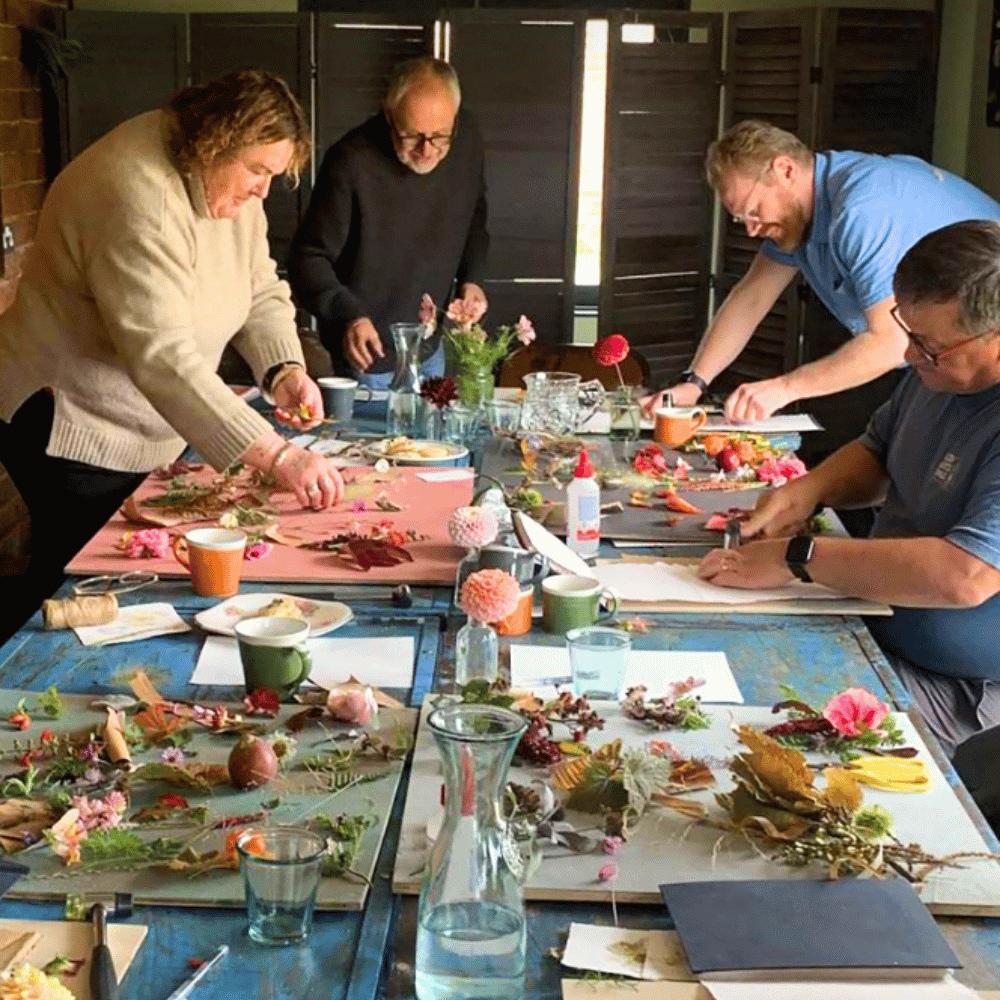
One particularly inspiring example discussed during the podcast is an innovative project delivered at Doddington Hall through the Accelerating Reform Fund - Culture and Nature for Health and Wellbeing.
Read more about the Culture and Nature for Health and Wellbeing project.
The project brought carers together in a beautiful outdoor setting to explore creativity, nature, and wellbeing through a series of workshops.
Activities included walking in nature, creative arts, reflection, and opportunities to connect with other carers.
The impact was significant.
Laura describes how participants reported feeling able to switch off, slow down, and focus on themselves for a change.
“That length of session has given them a bit of breathing space.”
The project demonstrates that supporting carers is not always about services or interventions. Sometimes it is about creating opportunities for connection, creativity, and joy.
Importantly, the project also challenges traditional ideas about care and support.
As Alison reflects:
“We think outside the box, we think creatively and innovatively about how best to support people in a way that's right for them.”
Supporting carers in the workplace
The discussion also highlights an often-overlooked issue: balancing employment with caring responsibilities.
Many people juggle work alongside significant caring commitments, often without colleagues or managers fully understanding the pressures they face.
Laura emphasises the importance of recognising and supporting carers within the workforce.
“We don't want carers leaving our workforces. We want them here.”
Employers have an important role to play in creating supportive environments, offering flexibility, and understanding the realities of caring.
By recognising carers' needs and strengths, organisations can retain valuable skills and experience while supporting employee wellbeing.
People are amazing
As the conversation draws to a close, Alison and Laura reflect on perhaps the most powerful theme of all: the extraordinary compassion shown by carers every day.
Behind every caring role is a human story of commitment, resilience, love, and determination.
Despite the challenges, carers consistently focus on the wellbeing of others, often putting their own needs last.
Laura sums it up beautifully:
“People are amazing.”
Conclusion
The conversation with Laura reminds us that supporting carers is about much more than providing services. It is about recognising people, listening to their experiences, valuing their strengths, and understanding what matters most to them.
A personalised and strengths-based approach acknowledges that every caring journey is different. It creates space for meaningful conversations, supports individual wellbeing, and helps carers access the right support at the right time.
Whether through information, practical guidance, peer support, creative opportunities, or simply being listened to, the message is clear: carers should never feel they have to do it alone.
By working together, listening carefully, and keeping people's voices at the centre of decisions, we can create a system where carers feel recognised, supported, and valued for the incredible contribution they make every day.


