Personalised Care Week 2026 : Your Thoughts, Your Voice
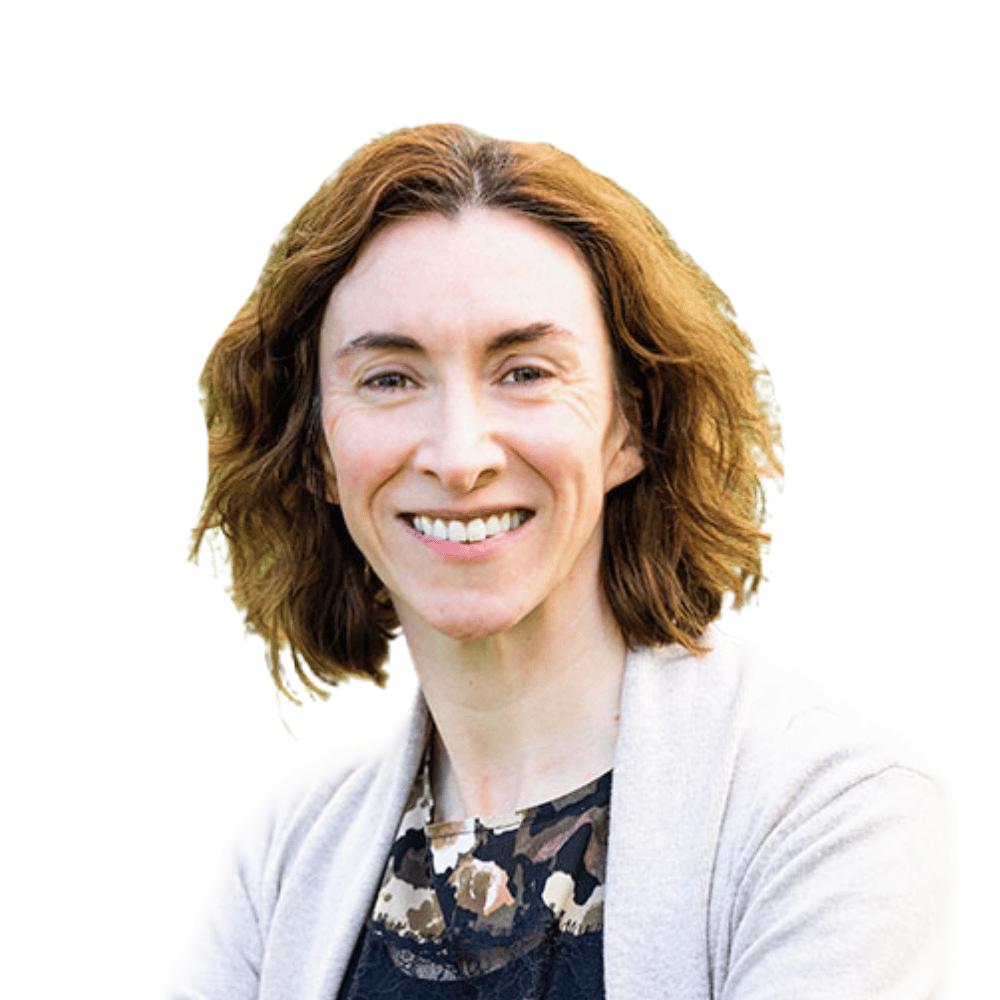
Donna Hutchinson, GP
Personalisation means seeing the person before the pathway: understanding their story, biology, relationships, values, circumstances and capacity, then working with them to shape care that is meaningful and possible within their life. It is not simply offering choices from a predetermined menu.
Across 30 years in medicine, I have seen personalised care make the greatest difference when someone finally feels heard. Often, the turning point is not a new test or treatment, but a conversation that restores understanding, dignity, hope and agency. Compassion is therefore not an optional extra or a “soft skill”; it is the condition which sets the stage for what happens thereafter. It creates the safety in which people can tell us what matters, clinicians can remain curious, and better decisions can be made.
The uncomfortable truth is that healthcare systems can aspire to personalisation while still rewarding standardisation, speed and throughput. Time to listen can too easily be treated as inefficiency, complexity becomes inconvenient, and exhausted staff are expected to provide compassionate care within conditions that progressively erode their capacity to do so. This creates moral injury for clinicians and leaves patients feeling processed rather than understood.
We should stop confusing efficiency with doing more, faster, with fewer people. We should start measuring what matters: understanding, continuity, trust, shared decisions and outcomes that are meaningful to the individual. We should continue combining scientific rigour with humanity, holding uncertainty honestly and helping people develop the physiological literacy to understand and work with their own bodies.
What gives me hope is that personalisation does not always require expensive innovation. It often begins with curiosity, presence and a different question not only “What is the matter with you?” but “What has happened, what matters to you, and what might help you move forward?” Good medicine begins with listening.
If I could sum this up in one sentence it would be:
Personalised care begins when we see the person before the pathway and compassion is what makes that possible.


