Personalised Care Week 2026: Your Thoughts, Your Voice
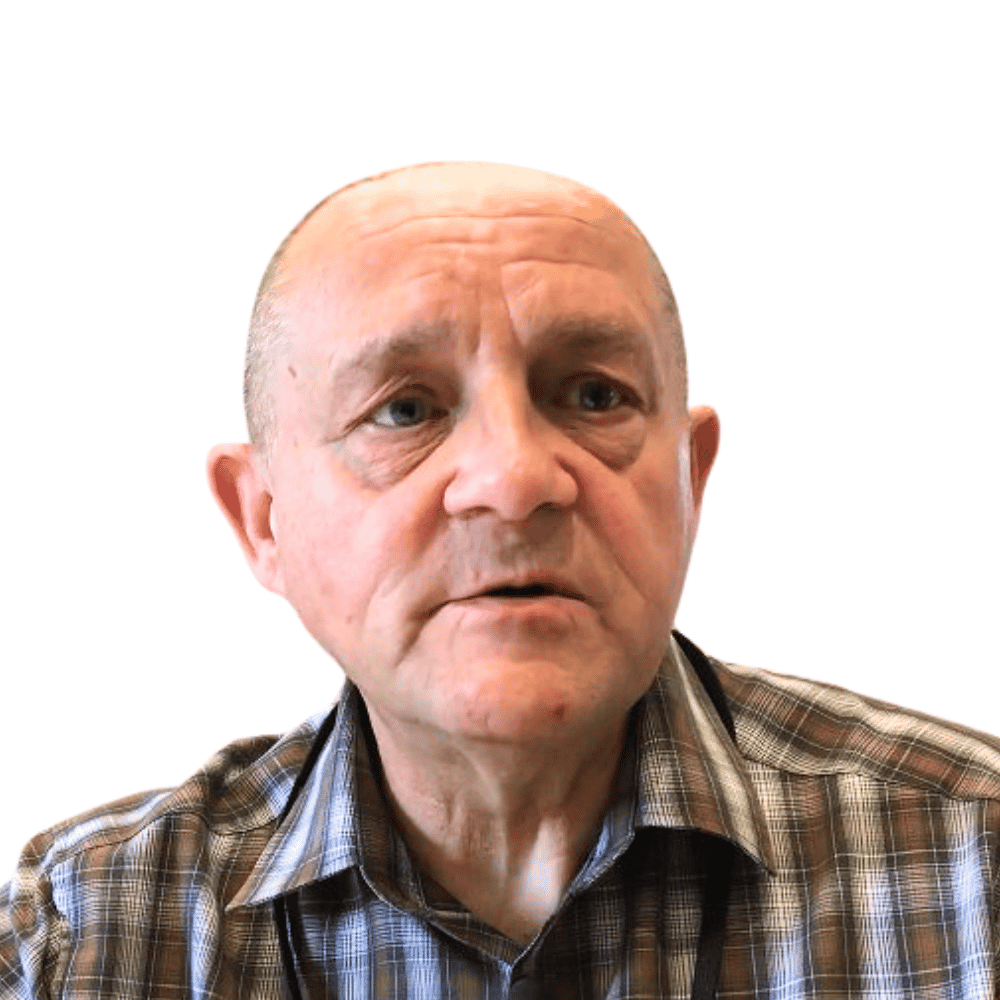
Steve Perkins, Expert by Experience
Personalised Care to me means that an individual is seen as an individual and any treatment or care that any individual needs to treat any conditions they have and or improve their recovery or day to day quality of life is tailored to that individual.
My experience
On 11/08/26 whilst in intensive care recovering from heart surgery I was given Morphine to relieve severe pain which help with pain control and allowed me to sleep. At 10.00pm one evening night shift nursing staff woke me up to do a 'skin inspection'. I told them I was fine but they ignored me. They told me they needed to roll me over to inspect my back and I told them not to because if they did they would not only risk compromising my surgical wounds but they would also activate and aggravate my pain and at that time I was almost pain free. I offered to stand up if need be for a skin inspection to be done but without my consent and against my wishes 2 nurses grabbed me and rolled me over onto my side from lying on my back. Their action not only triggered instant intense and severe pain in my chest but the pain did not subside at all night long so I was unable to sleep and their action actually set back my recovery and prolonged my stay in intensive care for 48 hours.
Why is personalised care important?
Personalised Care is very important because if clinicians do not listen to individuals and give individuals the personalised care they need then individuals don't feel valued or listened to as an individual and their trust in the clinicians can be compromised plus individuals know how they are feeling and if the care they are being given is correct and working for them. Incorrect care can and normally does prolong the recovery of an individual which is the time consuming for clinicians and also costly for the NHS and even the individual if they are paying for their care.
When have you seen personalisation make a real difference?
On 13/09/26 whilst in intensive care recovering from heart surgery I could not sleep due to being in pain and lying on an uncomfortable bed which I had had for 3 days. I mentioned it to the night shift nurse observing me and she not only gave me some pain relief medication but permitted me to sleep in a high back chair when I wanted to, which other nursing staff had prevented me from doing, and she also sourced and replaced my bed for a more comfortable bed which then allowed me to have a good nights sleep, the best nights sleep I had whilst in intensive care.
What gets in the way of truly personalised care?
During a recent 7 day stay in hospital I found that staff working to specific systems and protocols did not offer or give personalised care because they couldn't be bothered to do that something extra to help the individual(s) they were looking after. Staff who saw me as an individual with individual needs treated me far better and I received more personalised care from them than the staff who followed protocols and specific systems of working.
What opportunities do we have to do things differently?
Nursing staff, clinicians and care specialists undergo years of training so they know what the best healthcare practices are. I believe that in order to improve things for the benefit of everyone nursing staff, clinicians and care specialists really do need to use all of the 'tools' available to them be that improved communications by way of giving information by talking with and also receiving information by listening to the individuals they are caring for.
I have suffered with chronic pain for over 20 years now and due to allergies and sensitivities to many medications. I can only use Paracetamol medication for pain relief. Acupuncture worked for me but the NHS stopped providing acupuncture as a treatment over 10 years ago. No one over the past 10 years has suggested to me about me using TENS machines for pain relief albeit I do have my own TENS machines and I believe that TENS machines are normally only referred to and considered as pain relief options with regards to child birth.
Distraction techniques and heat therapies also help with pain control but very few nursing staff, clinicians and care staff ever refer to them.
What opportunities do we have to do things differently?
If things are not done differently, if individuals are not listened to and offered the respect they deserve regarding their personalised care then everyone will be treated as a clone of everyone else and the wrong repetitive care will be offered to all and in most cases that will not be enough to help individuals the correct and appropriate individual care they need to aid a speedy recovery or improve their quality of life.
What should we stop, start or continue doing?
We should stop being narrow minded and treating everyone as a clone of everyone else. Two way communications between care professionals and individuals needs improving and feedback from individuals needs to be taken seriously and where necessary lessons should be learnt and improvements should be made. We need to continue searching for the best ways to offer and deliver personalised care.
What uncomfortable truths or challenges do we need to acknowledge?
Personalised care has not been offered or delivered in most situations both in the NHS and private sectors so much needed changes are needed and soon.
What gives you hope for the future?
I hope that things improve in the future and with 'It's All About People', 'Our Shared Agreement' and 'Co-production' projects up and running maybe the need for personalisation when it comes to care will be more recognised in the future both in the training establishments such as universities and actually in the places where care is delivered.


